
Key Takeaways
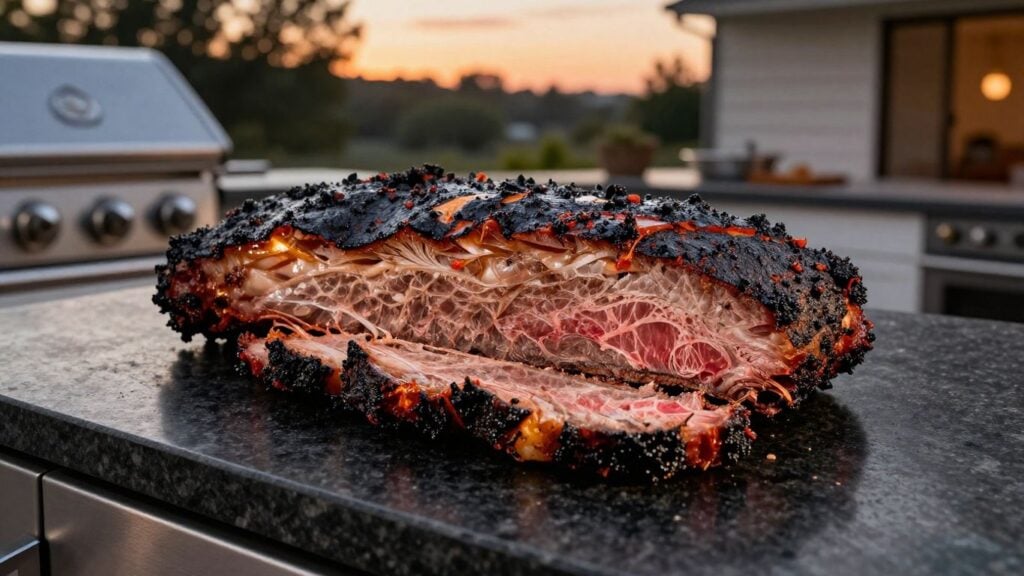
Smoking a brisket on a high-end setup requires precision, patience, and the right equipment to ensure succulent results every time. Here are the core principles for success regardless of your skill level.
- Start with a high-quality cut of beef for the best natural flavor.
- Maintain a strictly controlled temperature environment to avoid drying out the meat.
- Use a proper binder to ensure the seasoning forms a deep, flavorful crust.
- Monitor internal temperatures regularly to navigate the dreaded stall phase.
- Always allow for an extended rest period to redistribute the natural juices.
Setting up your pellet smoker in a BBQ island
Integrating a smoker into an outdoor living space requires careful planning to match the aesthetic and functional standards of Sun West Outdoor Kitchens. A properly configured Pellet Smoker In A BBQ Island serves as the centerpiece for your backyard entertaining needs, turning simple cooking into a culinary project. When designing your space, consider the durability of the materials and the structural support needed for your heavy equipment.
Ensuring proper ventilation for built-in units
Proper airflow is the single most important factor when installing a smoker in a masonry enclosure. Without adequate vent space behind the unit, heat can become trapped, potentially damaging your cabinetry or the grill’s internal electronics.
Managing heat retention in masonry enclosures
Masonry materials like travertine and granite are excellent for aesthetics, but they act as heat sinks that can alter ambient temperatures. Professional Portfolio installations prioritize spacing between the grill chassis and the stone facade to protect your investment.
Essential accessories for island-based smoking
Equipping your workspace with the right tools makes the smoking process significantly more efficient. Having these items organized ensures your focus remains on the meat rather than searching for gear.
- High-temperature heat-resistant work gloves
- Dedicated butcher paper rolls for wrapping
- Long-handle stainless steel tongs
- Quality external temperature monitoring probes
The effective use of these accessories creates a more seamless process, allowing you to manage the Shop grade equipment we recommend for professional consistency.
Safety considerations for proximity to cabinetry
Building your smoker near wooden or synthetic cabinetry requires strict adherence to manufacturer clearances to prevent fire hazards. Consult with an expert before finalizing your Contact Us plans to ensure your configuration complies with safety standards.
Choosing and trimming the perfect brisket
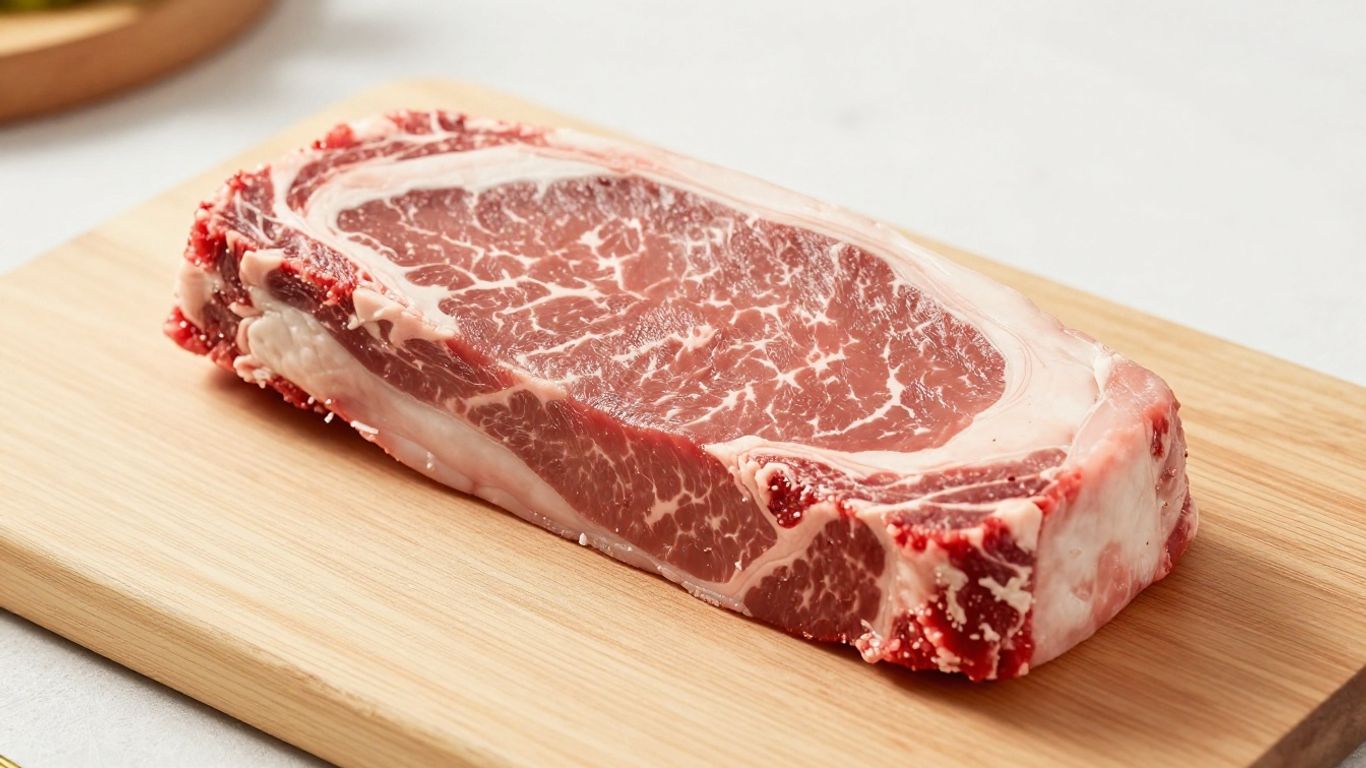
Selecting the right brisket is where your smoky journey truly begins, as the fat content and grade dramatically affect the final texture. Professional pitmasters emphasize reaching into the high-end Our Services tiers of quality where marble content is consistent throughout the entire muscle. A well-trimmed brisket will cook more evenly, preventing thin edges from drying out while the thicker parts reach temperature.
Selecting high-quality USDA prime or wagyu beef
Choosing a high-grade brisket ensures that the intramuscular fat renders properly throughout the long cook. The higher fat content acts as a safeguard, keeping the internal fibers moist even during the lengthy exposure to heat.
Understanding the structure of the flat versus the point
The brisket is composed of two distinct muscles separated by a thick layer of fat. Understanding how the lean flat muscle runs against the fatty, grain-heavy point is necessary for achieving the perfect slice at the end of the day.
Trimming the fat cap for balanced smoke and moisture
Removing excess silver skin and hardening fat allows the seasoning to penetrate the meat fibers directly. A uniform fat cap of about a quarter-inch is usually sufficient to protect the meat during the initial hours of smoking.
Techniques for achieving uniform thickness before cooking
Rounding off the sharp corners and balancing out the blocky shapes helps in maintaining an even cook rate. By standardizing the thickness, you ensure that the entire cut transitions across the stall boundaries simultaneously.
Seasoning the meat for maximum bark
Building a robust bark creates the delicious contrast required for a world-class brisket. The combination of coarse salt, cracked pepper, and other aromatics creates a crust that protects the internal moisture while concentrating savory flavors.
Applying a binder to help the seasoning adhere
A thin layer of mustard, olive oil, or beef tallow helps the dry rub particles bond to the surface of the beef. This essential step prevents the seasoning from falling off during the rendering phase as the surface moisture evaporates.
Developing a signature dry rub flavor profile
Your rub should balance the inherent richness of the beef fat with earthy spices and a touch of heat. Frequent experimentation leads to a customized blend that defines the personality of your barbecue.
The science of salt penetration in beef
Applying salt several hours before the cook allows the particles to travel deeper into the tissue through osmosis. This process influences how moisture is held within the proteins, which is why salting early is a standard practice in competitive cooking.
Best practices for injecting for extra moisture
Injected liquids can provide a safety buffer for longer cooks, especially if your smoker experiences temperature fluctuations. Use a food-grade beef broth or butter mixture to add depth, injecting uniformly across the grain of the meat.
Managing the smoke and temperature

Maintaining a consistent environment is the hallmark of a successful pitmaster. Using high-quality wood fuel ensures the smoke flavor remains clean and sweet, rather than bitter or acrid. Always check the status of your internal controller, as even FAQ guidance suggests that digital sensors can vary depending on external weather conditions.
Optimal temperature ranges for a low-and-slow cook
Setting your cooker between 225 and 250 degrees Fahrenheit provides the perfect balance for rendering collagen. Operating in this window allows the bark to form while keeping the internal muscles soft and tender.
Selecting the best wood pellets for a rich brisket flavor
You can customize the final smoke intensity by varying your fuel source based on what is available. The following table highlights common wood types used in web pellet smoking and their characteristics.
| Wood Type | Smoke Strength | Best Pairings |
|---|---|---|
| Mesquite | Strong/Bold | Beef Brisket |
| Hickory | Pungent/Bacon | Red Meats |
| Cherry | Mild/Sweet | Pork, Poultry |
Selecting the right density of wood ensures that your brisket develops a deep mahogany color without overwhelming the natural beef taste.
Adjusting smoke settings on integrated digital controllers
Modern digital controllers allow you to toggle smoke output settings, which is useful during the active burn phase. Keep an eye on the exhaust, as clean blue smoke is the primary indicator that your pellets are burning correctly.
Monitoring internal temperatures with external probes
Integrated grill sensors often measure ambient temperature, but external probes give you accurate internal readings. Keeping a probe in the thickest part of the point tells you exactly when the connective tissue has broken down sufficiently.
Overcoming the stall and finishing the cook
The stall is a natural phenomenon where the brisket’s internal temperature plateaus for hours due to surface evaporation. Navigating this phase efficiently is the difference between a brisket that finishes on time and one that remains tough.
Identifying the stall phase during the smoking process
Most briskets hit this wall between 150 and 165 degrees Fahrenheit. It is caused by the cooling effect of moisture evaporating from the surface, effectively acting like a radiator for your meat.
Deciding between the Texas crutch and naked smoking
Wrapping the meat, often called the Texas crutch, traps moisture and speeds up the process significantly. Some purists prefer the extra time of naked smoking to develop a thicker bark, though it requires more oversight.
Choosing between butcher paper and aluminum foil
Butcher paper allows the bark to stay crisp while foil effectively braises the meat. Foil produces a faster, steam-heavy result, while paper is generally favored for its ability to maintain textural integrity.
Determining the final internal target temperature
Don’t rely solely on temperature; look for probe tenderness where the meat offers no resistance. Most briskets are finished around 200-205 degrees, but every cut is unique in its structural breakdown.
Resting, slicing, and serving for best results
The rest period is effectively the final step of the cooking process itself. Allowing the brisket to settle in a cooler keeps it warm while the proteins stabilize, preventing the juices from running out immediately upon slicing.
The importance of the long rest period in a cooler
Place your wrapped brisket in a dry, insulated cooler for at least two hours after it comes off the grill. This resting time redistributes the moisture, ensuring every bite is as juicy as the center.
Cutting against the grain for maximum tenderness
Identify the direction of the muscle fibers on the flat and cut perpendicular to them. This shortens the fibers, creating a much more tender eating experience for you and your guests.
How to serve the point and flat portions separately
Slice the fatty point into cubed burnt ends or thicker pieces, while keeping the lean flat portion sliced thin for traditional presentation. Separating the two muscles improves the consistency of your serving platter.
Pairing local sides for the perfect brisket platter
Complement the richness of your smoked beef with acidic, cold vegetable sides. Classic pairings like vinegar-based coleslaw, pickles, and pickled onions help cleanse the palate between bites.
Conclusion
Mastering the art of smoking brisket on a pellet smoker is a rewarding journey that combines technical precision with personal taste, allowing you to create restaurant-quality results in your own yard. Through careful preparation, consistent temperature control, and a patient approach to the resting phase, you can achieve the tender, bark-crusted masterpiece that defines true Southern barbecue success.
Frequently Asked Questions
Can I smoke a brisket without an outdoor kitchen island?
Yes, a pellet grill functions perfectly well as a standalone unit, but an island structure provides secondary benefits like counter space and integrated storage for your tools.
How long should I let my brisket rest before slicing?
A minimum of two hours is recommended, though many pitmasters find that letting it rest for three to four hours in a cooler produces the most tender results.
Does the grade of beef really change the outcome of the brisket?
Higher grades like USDA Prime or Wagyu contain more marbling, which provides better moisture retention and flavor intensity during the long smoking process.
Why did my bark come out soft after wrapping?
Wrapping in aluminum foil creates a steam effect that often softens the exterior bark, whereas butcher paper allows the steam to escape while still keeping the meat moist.
Is injected liquid necessary for every brisket?
It is entirely optional and generally intended for briskets with lower fat content or for those who want to add extra layers of moisture to the muscle fibers during a very long cook.
How do I know when the brisket is officially done?
Focus on the texture rather than a specific temperature; the meat should feel like poking a soft stick into warm butter, indicating the collagen has fully rendered.
What temperature should the grill be set to for the entire duration?
Maintaining a steady 225 degrees Fahrenheit is the most common approach for a low-and-slow cook, though some prefer to start at 250 degrees for a slightly faster finish.
Leave a Reply