
The evolution of modern BBQ grills
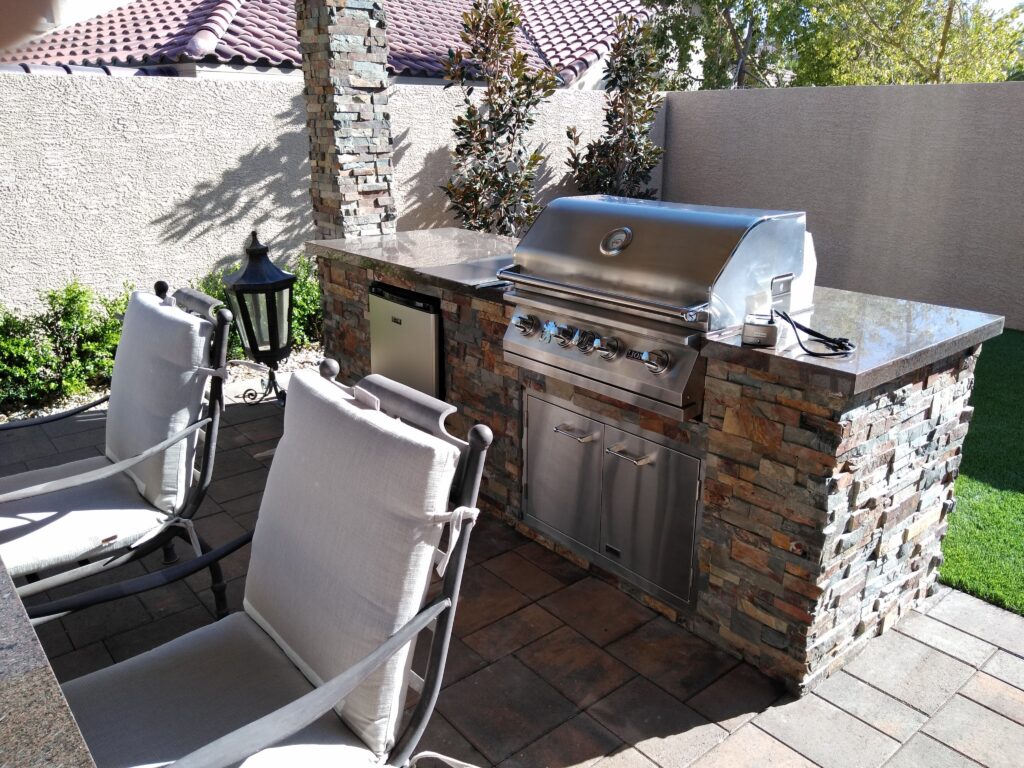
Modern outdoor cooking has shifted away from simple charcoal bins toward sophisticated systems that mimic professional indoor kitchen capabilities. Homeowners now prioritize equipment longevity and the ability to scale their culinary output, recognizing that a well-designed station significantly extends the home’s living space. By focusing on site-specific planning, residents can avoid common pitfalls while installing high-quality BBQ Grills that endure for decades.
Precision temperature control systems
Sophisticated dampers and digital sensors allow for absolute thermal regulation, ensuring that delicate meats and high-heat sears remain consistent. Instead of guessing, cooks can lock in specific heat levels by adjusting airflow paths or electronic ignition gates. This level of accuracy transforms casual backyard cooking into a reproducible craft where outcomes are based on technique rather than chance.
Hybrid fueling options for versatile cooking
Many modern setups now favor dual-fuel systems that combine the smoky depth of charcoal with the instant speed of propane. This duality allows enthusiasts to smoke brisket all day or host a quick dinner party without waiting for coals to reach an optimal state. For those looking to Shop for their next piece of equipment, these configurations offer the best of both traditional and contemporary methods.
High-performance infrared sear zones
Using specialized burners that emit intense thermal radiation, these zones deliver a rapid crust on proteins that traditional convection cooking cannot match. This concentrated heat penetrates deep into the meat surface almost instantly, locking in juices while creating a restaurant-grade finish. It is a critical component for anyone serious about elevating their primary protein preparation.
Smart technology and connectivity features
Integrating digital interfaces into the cooking process provides a level of freedom that stationary grills once lacked entirely. These systems allow users to monitor ambient and internal temperatures remotely, alerting them to adjustments before a meal is overcooked. Beyond the gadgets, Sun West Outdoor Kitchens ensures that the underlying structure supports such technology through expert design and durable craftsmanship.
Wi-Fi and Bluetooth monitoring interfaces
Wireless connectivity modules allow for seamless data transfer between the cooking surface and a handheld device. Monitoring these sessions in real-time gives users the confidence to mingle with guests without keeping a constant eye on the grate. This connectivity is essential for low-and-slow applications that require lengthy, unattended cook times.
Integration with smart home mobile apps
Unified control platforms enable users to monitor usage history and receive maintenance notifications directly on their phones. These apps simplify the experience, turning what used to be guesswork into data-driven cooking. Managing energy consumption and burner performance through a single interface brings modern efficiency to the backyard.
Automated pellet feeding and monitoring mechanisms
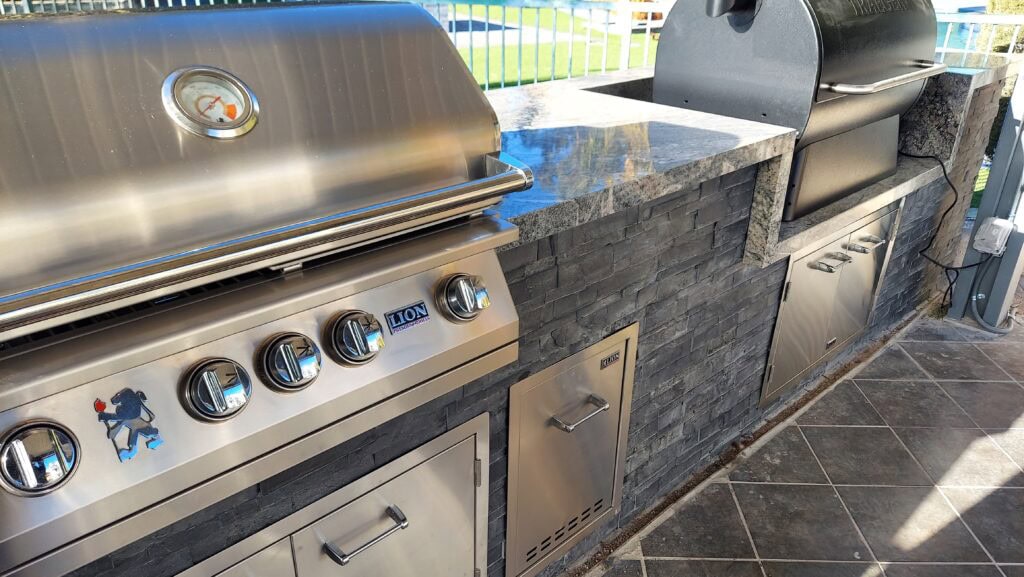
Feeding systems that adjust hopper flow based on target temperature remove the manual labor traditionally associated with wood-fire cooking. When combined with sensors, these feeders maintain the steady, subtle smoke flavor that defines high-quality BBQ. This automation represents a significant shift from the frequent, manual stoking required by earlier designs.
Sustainable materials and energy efficiency
Building an outdoor kitchen that survives extreme heat requires selecting components that minimize thermal transfer while remaining robust. Focus on materials that reflect solar radiation rather than absorbing it, which keeps the immediate cooking area comfortable during peak temperature months. Proper layout planning ensures these durable elements are integrated correctly into your specific landscape.
Advanced insulation for heat retention
High-density firebricks and ceramic liners trap generated heat inside the chamber, leading to lower fuel consumption. This thermal retention maintains a steady temperature even when exterior conditions fluctuate, preventing rapid heat loss during the cooking cycle. Efficiency here is directly tied to the construction quality of the grill’s outer shell.
Propane and natural gas efficiency upgrades
Modern gas delivery systems use optimized pressure regulators to burn less fuel while providing a hotter output. Upgrading these components reduces ongoing operating costs and provides a cleaner burn for all styles of cooking. Integrating these systems requires careful Portfolio assessment to ensure site compatibility and safety.
Eco-conscious and recycled building materials
| Material Type | Sustainability Rating | Durability | Heat Resistance |
|---|---|---|---|
| Recycled Steel | High | Excellent | Outstanding |
| Composite Masonry | Moderate | Good | High |
| Natural Stone | High | Outstanding | Excellent |
Choosing these materials not only benefits the environment but also provides the structural integrity needed for long-term installations. As shown in the table above, recycled steel and natural stone offer the best balance of longevity and thermal performance. These selections are essential for anyone building a space designed to last for years.
Modular and customizable outdoor kitchen layout
A smart layout prioritizes the flow between food preparation, cooking, and serving zones to mimic the convenience of an indoor kitchen. By utilizing a modular design, homeowners can adapt their footprint based on changing needs, such as adding extra counter space or specialized cooling units. Consulting with a professional ensures these modules align with local Contact Us standards and build codes.
Expandable workspace and cabinetry solutions
Modular cabinets provide needed flexibility, allowing for the addition of weather-proof storage as your appliance collection grows. This approach enables homeowners to start with a essential setup and build out a more comprehensive layout over time. Designing for expansion prevents the need for costly reconstruction in the future.
Integrated refrigeration and cooling units
Dedicated outdoor-rated refrigerators are common fixtures that keep perishables and beverages within an arm’s reach of the grill. These units are engineered specifically for high ambient temperatures, ensuring consistent internal cooling despite the sweltering heat of the summer months. It is important to Discover specific brands that guarantee performance under desert-like environmental stressors.
Interchangeable cooking inserts and configurations
- Swappable griddle plates for versatile breakfast and lunch prep.
- Dedicated smoker boxes that can be removed when not needed.
- Convertible island inserts that allow for rapid design changes.
- Height-adjustable racks suited for various meat dimensions.
By utilizing these interchangeable components, a standard grill island can become a specialized prep station in seconds. This flexibility ensures that the kitchen remains relevant as culinary interests evolve. The list above highlights common configurations that professionals often include in high-end projects.
Advanced materials for extreme weather resistance
Building in harsh environments, such as the Nevada desert, necessitates the use of materials capable of handling extreme thermal expansion and contraction. Relying on improper materials can lead to premature cracks in stonework or degradation of electronic connections. For those concerned about environment-specific durability, explore guides on Las Vegas outdoor kitchen costs to understand necessary material investments.
Marine-grade stainless steel components
This specific grade of steel contains molybdenum, which prevents pitting and rust when exposed to moisture or extreme heat cycles. It serves as the gold standard for all structural components that face direct outdoor exposure. Investing in this quality early prevents the need for frequent hardware replacements.
Powder-coated aluminum finishes
Aluminum structures treated with baked-on powder coating provide a rust-resistant layer that maintains its appearance for many seasons. These finishes also offer a clean look that integrates well with various architectural styles, from modern to traditional. The added durability means less maintenance during the off-season compared to raw materials.
All-weather protection for electronic displays
Installing protective hoods and sealed enclosures keeps sensitive components safe from dust, pollen, and direct UV rays. These measures ensure that smart touchscreens and temperature sensors function properly throughout the year, even when the grill is not in active use. Protecting these assets is the difference between a system that lasts and one that requires constant repair.
Enhancing the cooking experience with innovative accessories
Truly mastering outdoor living spaces involves adding features that extend the utility of the grill beyond basic burgers and steaks. Accessories like specialized hoods and rotisseries allow one to tackle complex recipes that would typically remain in the indoor kitchen. These enhancements help refine the backyard experience, making it comfortable for both the chef and the guests.
Built-in pizza ovens and rotisserie motors
A built-in pizza oven brings the artisan experience to the back patio, while a motor-driven rotisserie ensures an even roast for larger cuts of meat. These tools add variety to the menu, rewarding home cooks with levels of depth and char that regular grates simply cannot provide. They are essential for turning a casual weekend cookout into a full culinary event.
Integrated task lighting and ventilation hoods
Lighting placed directly within the kitchen area ensures prep work is safe and visible during evening sessions. Meanwhile, ventilation hoods play a major role in managing smoke and vapor, keeping the seating area clear and comfortable. Proper ventilation is a subtle element that guests certainly notice when it is missing.
Specialized storage solutions for BBQ tools
Dedicated drawers and pull-out racks for tongs, brushes, and cleaning supplies help keep the workstation clear of clutter. By providing a fixed home for every implement, the prep area remains organized and ready for use at any moment. This attention to detail is what separates a truly professional-grade setup from an amateur workspace.
Conclusion
Creating a high-performance outdoor kitchen is a rewarding process that combines structural foresight with the right equipment to ensure long-term value. By focusing on durable materials, smart technology, and modular layouts, you can build a backyard space that performs as effectively as any indoor culinary station. Contact a local expert today to begin your design consultation and bring your vision to life.
Frequently Asked Questions
How do I protect an outdoor kitchen from extreme heat?
Utilizing materials like porcelain tile and high-grade stainless steel helps manage thermal expansion effectively. Incorporating shade structures like pergolas and misting systems also prevents direct solar exposure and keeps the immediate area significantly cooler.
What makes a material suitable for outdoor BBQ installations?
Look for materials that are non-porous and resistant to oxidation, such as marine-grade metals and natural stone. These options are less likely to crack or discolor when subjected to constant sunlight and shifting daily temperatures.
Are smart features necessary for a good cooking experience?
While optional, connectivity features provide measurable benefits regarding consistency and ease of use. They remove the guesswork from long smoking sessions, allowing you to monitor internal conditions without interfering with the cooking environment.
Can I add cooking modules later if I start small?
Modular design is created specifically to allow for future growth and flexibility. You can start with a basic grilling station and add components like smokers, side burners, or pizza ovens as your budget and needs evolve.
How often should outdoor kitchen appliances be cleaned?
Regular maintenance involves wiping down surfaces after every use and deep-cleaning the internal burners or charcoal grates monthly. A clean cooking surface ensures better flavor and extends the functional life of the heating components.
What defines a professional-grade outdoor kitchen layout?
A professional layout mimics the triangle rule of indoor design, prioritizing efficient movement between food preparation, the primary cooking surface, and the serving area. It also includes integrated storage, adequate task lighting, and proper ventilation.
How do I ensure my outdoor kitchen survives a rainy season?
Proper drainage design is essential to prevent pooling water near equipment or sensitive stonework. Additionally, using sealed, weather-resistant cabinets and covering your equipment when not in use ensures the system remains dry and functional during wet weather.
[…] of modern pellets. Our experience with high-end installations shows that having the right outdoor kitchen equipment makes managing these complex processes significantly more […]
[…] Our design process at Sun West Outdoor Kitchens depends on these robust elements to deliver a high-performance build that stands up to constant use in arid desert […]
[…] meets rigorous local standards. This dedication is often what distinguishes a premium piece of outdoor kitchen equipment from mass-produced alternatives that may lack historical build […]