
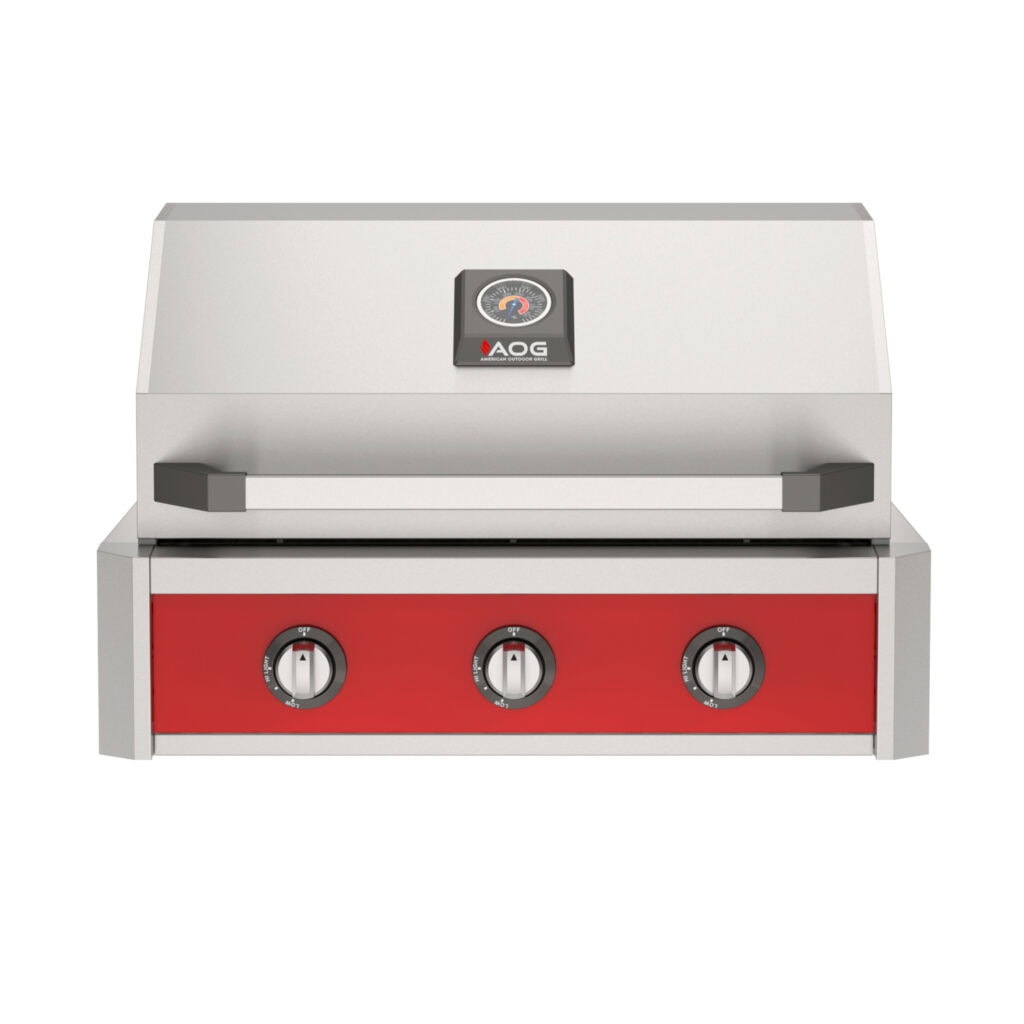
Investing in high-quality outdoor equipment ensures long-term enjoyment for your home kitchen projects. Here are the core highlights for selecting the right grilling equipment for your space.
- American Outdoor Grill relies on domestic production for superior quality control.
- Durable 304 stainless steel forms the backbone of these long-lasting units.
- Choosing between ignition types depends on your specific lifestyle and access preferences.
- Proper cutout dimensions and ventilation are critical for successful built-in grill installations.
- Consistent maintenance preserves both the appearance and the internal performance of your equipment.
Understanding the craftsmanship behind American Outdoor Grill
The significance of domestic production
The American Outdoor Grill (AOG) stands out by committing to United States-based manufacturing processes for its lineup. Focusing on domestic production means the manufacturer maintains tight oversight on every step, from the initial steel shearing to the final assembly of the valves, ensuring that the final output meets rigorous local standards. This dedication is often what distinguishes a premium piece of outdoor kitchen equipment from mass-produced alternatives that may lack historical build context.
Engineering for the North American climate
Grilling units destined for the North American market must endure a wide range of ambient conditions, including the arid heat and dust of the Nevada desert. American Outdoor Grill products are built to withstand these variances by utilizing specialized internal components designed to prevent corrosion and oxidation. For residents in the Southwest, ensuring your grill can handle high temperatures is essential to maintain a perfectly cooked brisket during long, slow smoking sessions.
Commitment to high-grade materials and testing
Quality materials serve as the bedrock for longevity in a professional-grade backyard setting. Each grill undergoes extensive testing to verify that components like brass valves and steel burners function reliably under daily use. This obsession with high-grade materials ensures that owners in Las Vegas, NV benefit from equipment that reliably thrives in desert environments over many years.
Key design features for superior durability
Heavy-duty stainless steel construction
The primary advantage of these units is the use of heavy-duty 304 stainless steel. This alloy offers exceptional resistance to the elements, preventing structural degradation even when installed in permanent masonry surrounds. When we design a custom outdoor space, we prioritize these resilient materials, similar to how one might select between a modern fire table or fire pit for maximum patio life.
Protecting internal components from the elements
Internal integrity is preserved by sealing sensitive gas connections and ignition mechanisms behind protective guards. Protecting these elements from direct exposure to rain or blowing desert dust extends the operational lifespan significantly. Effective placement of these internal barriers allows the AOG components to remain clean and responsive even after long periods of inactivity.
Warranties and the promise of long-term reliability
Investment protection is a core consideration for any high-end outdoor project. Investors should consider how the following durability metrics impact total cost over time:
| Feature | Benefit | Durability Level |
|---|---|---|
| 304 Stainless Steel | Rust Resistance | Very High |
| Brass Valve System | Temperature Control | Precision |
| Vaporizer Panels | Reliable Heat Distribution | Consistent |
These technical advantages ensure that your investment provides a reliable culinary tool that performs for years. Choosing high-quality components now eliminates the frustration of premature replacement costs later.
Evaluating the cooking performance of AOG grills
Precision heat control and burner systems
Achieving the right sear requires precise control over natural gas or liquid propane flow. The inclusion of brass valves allows the chef to dial in exact temperatures, which is essential for delicate proteins that require specific heat cycles. Whether you are using a budget option or a luxury unit, the consistency of the burner remains the primary indicator of grill quality.
High-heat searing and variable temperature zones
Flexible cooking zones allow the chef to manage large meals using multiple heat intensities simultaneously. This variability is vital when you need one area for intense crust formation on a steak and another for gentle reheating of side dishes. High-performance units like the American Outdoor Grill excel at maintaining these disparate zones reliably.
Achieving consistent heat distribution across the grate
Uniform heat distribution ensures that every morsel receives the same level of cook, regardless of its location on the grate. This is often managed through heavy-duty vaporizer panels that spread heat evenly while effectively managing grease drippings to reduce flare-ups. You can see this performance in action when preparing complex meals, as documented in our Portfolio.
Choosing between T series and L series models
Distinguishing between electronic and battery-powered ignition
Choosing a T series or an L series model largely comes down to your personal workflow for ignition. The T series often uses a manual push-to-light piezo system, which operates independently of electricity or batteries, while other models incorporate more advanced electronic features. This choice is a matter of preference regarding how you want to interact with your Shop selected appliance daily.
Assessing the utility of built-in rotisserie kits
Adding a rotisserie kit can change the way you cook, allowing for slow-roasting capabilities that standard baking often fails to replicate. These attachments are integrated seamlessly to ensure the motor and rod are shielded from high-heat exposure. It is a fantastic addition for those who enjoy entertaining guests with rotisserie chicken or roast vegetables.
Selecting the right grill size for your outdoor living space
Selecting the correct size requires balancing your typical cooking volume with the physical footprint of your island design. We often find that clients prefer the following sizes for their custom masonry layouts:
- 24-inch models for smaller secondary kitchens or modest family use.
- 30-inch units providing sufficient space for standard weekday family meals.
- 36-inch or larger units for elaborate catering or large party hosting.
Choosing the right size is essential to ensure your grill area feels proportional to the rest of your landscape architecture. It is always wise to consult with an expert designer when deciding on these dimensions to secure an efficient solution for your backyard layout.
Maximizing the value of your built-in grill installation
Planning the cutout dimensions for seamless integration
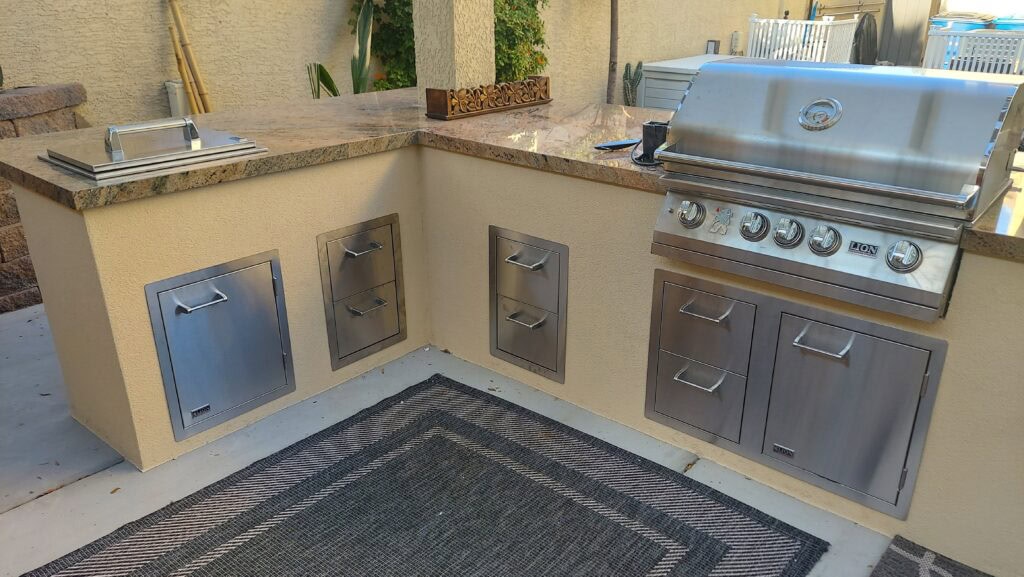
Successful installation begins with a clean cutout. Precision measurements are the standard for Sun West Outdoor Kitchens as we prepare masonry for high-end equipment. Taking the time to verify these dimensions before pouring stone or concrete creates a finish that looks like the grill was always intended to exist exactly in that spot.
Incorporating essential storage and masonry components
Storage cabinets and drawers built below the grill level provide a clean look while keeping the area tidy. Integrating these components into the same masonry stone used for the island structure creates a cohesive and professional appearance. An organized space is safer and more inviting, encouraging more frequent use of your outdoor culinary center.
Ensuring proper ventilation and safety clearances
Safety is paramount when installing gas-fired appliances in enclosed structures or under covered patios. Proper vents allow built-up heat to escape and gas to dissipate, which is a standard requirement for any safe gas appliance setup. Adhering to these clearances, much like the guidelines for vent-free fireplaces, ensures your peace of mind while enjoying your outdoor kitchen.
Care and maintenance for longevity
Best practices for cleaning stainless steel surfaces
Keeping stainless steel looking new requires consistent but simple cleaning habits. Using non-abrasive cleaners and wiping with the grain keeps the metal free of water spots and contaminants. A properly maintained surface reflects the care you put into your kitchen, making it a point of pride for any backyard entertainer.
Routine inspection of burners and gas connections
Regularly checking for debris in the burner ports ensures the gas flow remains even and strong. If you notice an irregular flame pattern or a lag in ignition, it is likely time for a quick cleaning or a check of the connection lines. Keeping these internal paths clear is the best way to prevent issues before they begin.
Seasonal storage strategies to protect against the elements
Off-season or non-use periods are the best time to deploy protective covers. A well-fitted cover acts as a shield against moisture, pollen, and debris, ensuring that your equipment remains ready for use the moment the weather clears. Proper storage strategies can add years of life to any grill installation.
Conclusion
Selecting a grill manufactured to high standards provides more than just a place to cook; it creates a centerpiece for shared experiences and gatherings. By prioritizing durable 304 stainless steel, understanding the specific ignition and accessory choices available, and committing to regular care, you ensure that your backyard remains a professional-grade culinary destination for years to come. Whether you need a simple upgrade or a completely new layout, proper planning and quality equipment define the success of your outdoor living journey.
Frequently Asked Questions
What are the main benefits of built-in grills over freestanding models?
Built-in grills provide a streamlined and permanent aesthetic that integrates directly into your custom masonry or stone island, effectively turning your kitchen into a built-in outdoor room rather than just a movable appliance.
How often should burners be inspected for debris?
It is recommended to inspect burner ports at least once every few months or before the start of each new hosting season to ensure gas flow remains consistent and even across the entire surface.
Can any grill be used in a custom masonry island?
Not all grills are suitable for built-in applications, as many designs lack the necessary heat insulation, venting, or hardware required to safely mount and operate them within an enclosed cabinet space.
What is the most important factor when choosing grill materials?
Corrosion resistance is the most important factor in the typical outdoor environment, which is why 304 stainless steel is industry-standard for units exposed to varying temperatures and moisture levels.
Does grease management impact the lifespan of a grill?
Yes, effective grease management prevents build-up on internal burners and ignition hardware, which significantly reduces the risk of corrosion and fire hazards over the life of the product.
How does ventilation help my outdoor kitchen island?
Ventilation is critical for preventing heat accumulation and gas concentration within the internal island structure, ensuring the safety of your home while promoting longer life for both the grill and the surrounding materials.
Where can I find professional guidance on planning my kitchen?
Most homeowners find success by reviewing their FAQ options or sitting down with a landscape design contractor who specializes in outdoor kitchen integration to ensure every safety and architectural requirement is met.
Leave a Reply