Understanding the difference between fire tables and fire pits
The defining characteristics of a fire table
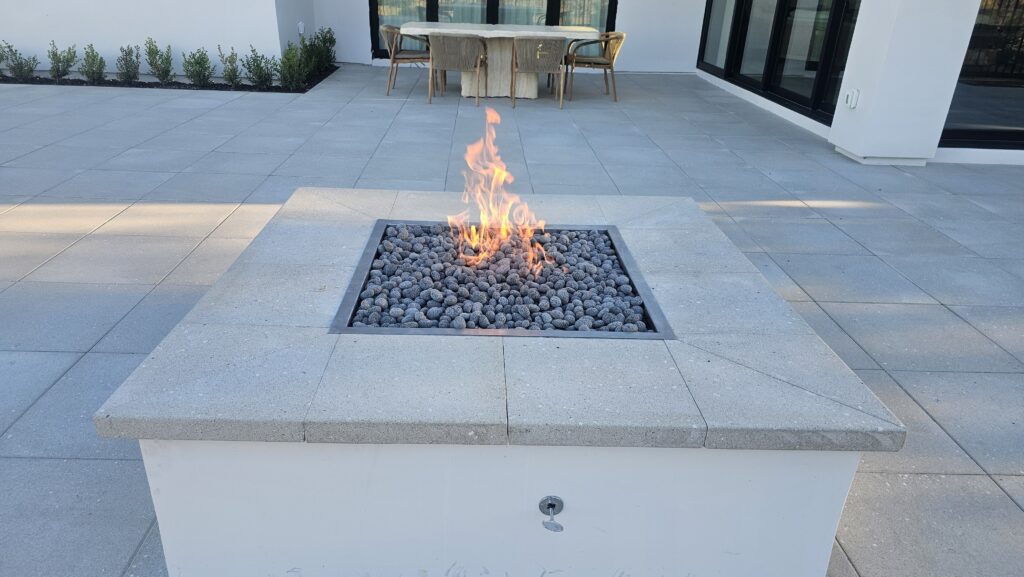
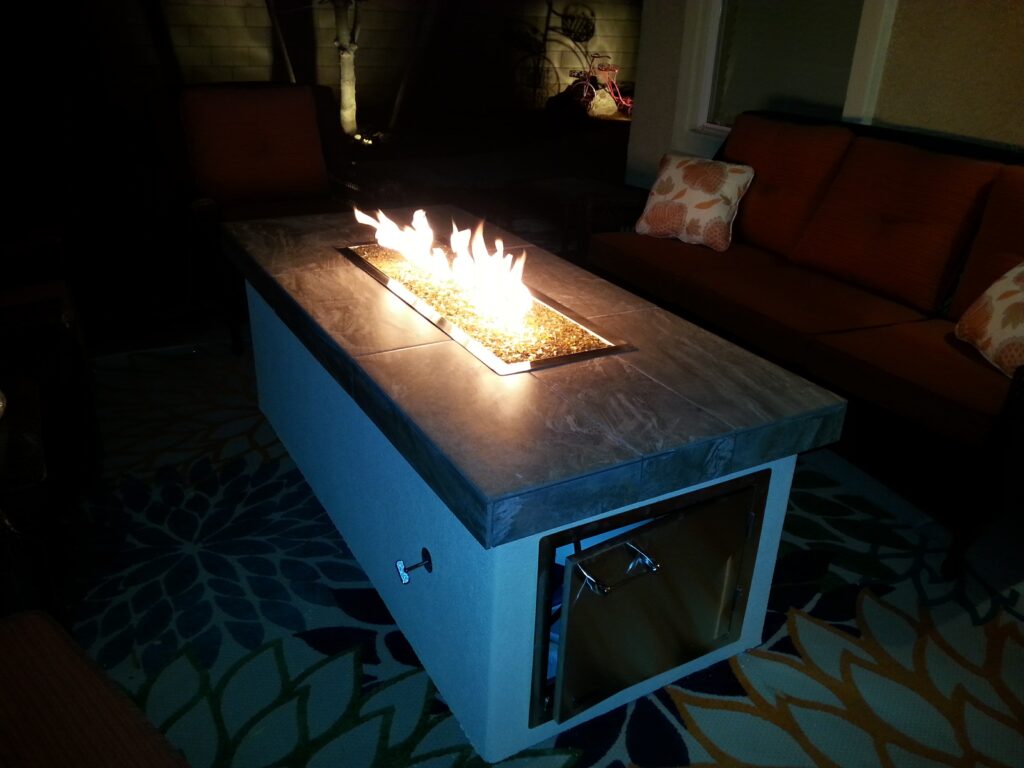
Fire tables represent an evolution in outdoor design, combining the comfort of an open hearth with the practical utility of a side or dining table. These units typically feature a central fire burner surrounded by a wide perimeter of finished stone, metal, or composite materials. They are engineered to blend seamlessly into modern patio arrangements, allowing guests to gather around a shared flame while still having space for drinks and small plates.
Identifying classic fire pits
Classic fire pits strip away the surrounding surface area to place total emphasis on the visual spectacle of the fire itself. Whether constructed from rustic stone, heavy-duty steel, or pre-cast concrete, these features are built to anchor a gathering space by encouraging a 360-degree interactive environment. They often sit closer to the ground, mimicking the primal experience of a backyard bonfire while offering a more controlled burning environment for residents.
Choosing the right feature based on your patio layout
Determining whether a table or an open pit fits your needs depends on how you plan to host. If your goal is to host intimate dinners or casual evening cocktails, the elevated design of a fire table provides a cohesive centerpiece for outdoor living. For larger, sprawling properties where you want to emphasize a campfire experience, an open design might be better. Sun West Outdoor Kitchens offers specialized design consultation to help ensure your choice fits the scale of your landscape.
Comparing design styles and outdoor integration
Minimalism in modern fire tables
Modern fire table designs focus on clean lines, hiding the tank and burner hardware beneath a clean casing. These pieces often feature geometric shapes and monochromatic color palettes, making them ideal for contemporary outdoor rooms that prioritize sleek aesthetics. By incorporating smooth surfaces and hidden ignition controls, they maintain a polished look that rivals high-end indoor furniture.
The rugged appeal of traditional fire pits
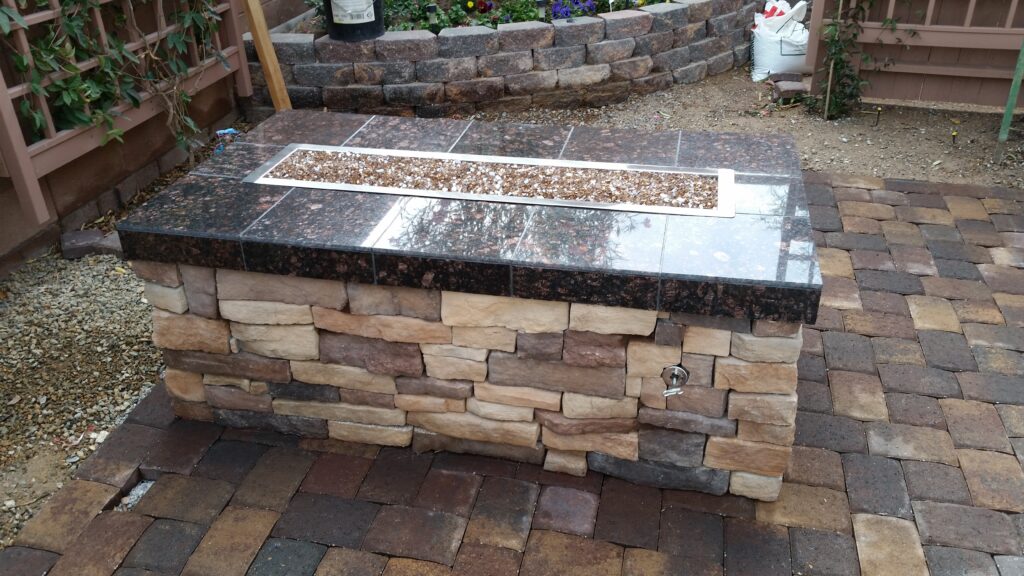
Traditional fire pits often favor raw, organic textures that age gracefully alongside the surrounding landscape. Using materials like weathered steel or natural, hand-cut stone allows these units to feel as though they were meant for the environment from the start. This design philosophy creates a warm, grounded focal point that complements landscaping with heavy usage and natural elements.
Selecting construction materials for weather resistance
To ensure your fire feature lasts, material selection is the most significant decision you will make. When building in desert climates, it is vital to select stones that remain cool to the touch despite intense sun exposure and resist cracking during thermal cycling. For example, Sun West Outdoor Kitchens specializes in using custom stonework that holds up against the local Nevada climate, ensuring your investment stays beautiful for years.
Fuel options for fire systems
Propane versus natural gas setup
Choosing between propane and natural gas usually comes down to whether you want portability or permanence. Propane tanks offer flexibility, allowing you to move your table around the patio, provided the tank is accessible. Natural gas requires a dedicated line from your home, offering a set-and-forget performance that never runs dry, which is a popular choice for permanent installations that we oversee during larger projects.
Benefits and constraints of wood-burning fire pits
Wood-burning fire pits provide an unparalleled sensory experience with the sounds and smells of authentic combustion. However, this fuel source comes with higher maintenance, including regular ash removal and the need to manage wood storage and moisture levels. While they offer the most traditional fire experience, they also produce ash and require more active supervision to contain rogue sparks or embers during use.
Bioethanol and gel fuel for indoor-outdoor convenience
Bioethanol and gel options are clean-burning alternatives that do not require chimneys or a fixed fuel supply, making them perfect for versatile spaces. These fuels burn with a vibrant, gentle flame and produce no smoke or soot, which allows for placement in areas where traditional gas or wood setups might be restricted. They provide a modern answer to versatile heating needs without the intense infrastructure of fixed gas piping.
Evaluating heat output and functional utility
Understanding BTUs and radiant heat performance
Heat output in gas features is measured in British Thermal Units (BTUs), with most high-quality models offering between 40,000 and 60,000 BTUs to ensure enough pull to keep guests comfortable. Higher BTU ratings allow for faster ignition and more intense radiant warmth, which is vital in cooling desert evenings. If you are comparing models, understanding how the burner layout affects heat distribution across the surface area can help you stay consistently warm throughout the night.
Multi-purpose use as dining and surface areas
Fire tables serve as a functional anchor for outdoor gatherings, allowing homeowners to maximize small patios by eliminating the need for a separate coffee table. When the fire is off, many models provide a flat surface that serves as a makeshift dining area or extra counter space for food preparation. This efficiency allows you to create a dynamic setup that adapts to your daily needs.
Weighing portability versus permanent installation
Choosing between a light, movable feature and a heavy, built-in system is a common dilemma. The following table provides a comparison to help focus your selection:
| Feature Type | Portability | Infrastructure Need | Best Use Case |
|---|---|---|---|
| Mobile Fire Pit | High | None | Seasonal gatherings |
| Gas Fire Table | Moderate | Moderate (Gas/Tank) | Social dining patios |
| Custom Stone Pit | Low | High (Dedicated Line) | Permanent backyard oasis |
This breakdown demonstrates that your choice should reflect your hosting frequency. For those needing clarity on options, our team is happy to provide an FAQ session to discuss specific project requirements.
Safety protocols for outdoor residential heating
Establishing required clearances for fire pits
Safety is the foundation of any outdoor fire installation, particularly when dealing with combustible furniture or structures. You must maintain adequate horizontal clearance between the edge of the pit and any nearby seating, umbrellas, or siding to prevent fire hazards. Proper planning during the layout phase ensures that your fire feature remains a source of pleasure_ rather than a liability.
Managing ember containment and spark screens
Wood-burning fire pits require robust spark screens and ember containment strategies to remain safe, especially in regions with dry winds. These accessories act as a physical barrier against flying sparks, keeping the fire safely confined within the basin. If your style leans toward a rustic, open-fire look, these safety elements are non-negotiable for responsible operation.
Essential installation guidelines for gas fire features
Gas systems require strict adherence to manufacturer specifications, especially concerning ventilation and burner ignition. If you are integrating a feature into a BBQ island, ensuring the enclosure is properly vented prevents the buildup of gas, which is critical for long-term safety. Following documented installation guides ensures that your system functions correctly and maintains its structural integrity over time.
Maintaining your outdoor fire feature for long-term use
Routine cleaning for fire media and burner components
Glass beads and lava rocks accumulate dust and debris, which can inhibit proper gas flow and flame quality over time. A simple routine entails vacuuming the burner pan during off-seasons and checking the igniter ports for clogs. Maintaining these small components preserves the life of the burner and helps your feature ignite reliably throughout the season.
Protecting exterior materials from rust and corrosion
Outdoor elements will eventually take their toll on metal finishes and stone surfaces. We often recommend using protective covers when the unit is not in use to combat moisture and extreme sunlight. With years of experience in custom outdoor luxury, our team at Sun West Outdoor Kitchens advises clients to choose the right care products for their specific material types to keep them looking pristine.
Shutting equipment down between uses
Even in warmer climates, taking steps to shut down the fuel supply and protect burners during periods of inactivity is wise. This process involves disconnecting fuel sources if applicable, covering the controls, and ensuring the interior bowl remains dry. Proper prep work prevents the accumulation of water, which is the primary cause of internal corrosion and burner failure in residential gas equipment.
Conclusion
Choosing between a fire table and a traditional fire pit depends largely on your lifestyle and your desired use of the outdoor space. Whether you prefer the multi-purpose utility of an integrated table or the wild, elemental charm of an open stone fire pit, high-quality, professional installation is key to ensuring both safety and beauty. For those looking to create a lasting backyard retreat, feel free to Contact Us to explore how a custom build can define your outdoor experience.
Frequently Asked Questions
How far should a fire pit be from my home?
Typically, a fire pit should be placed at least 15 to 20 feet away from any structure or overhanging branches to minimize fire risks and prevent heat damage to your home siding.
Can I put a gas fire table on a wooden deck?
Many fire tables are approved for use on composite or wooden decks, provided they feature insulated bases that prevent high heat from transferring to the surface underneath.
How do I troubleshoot a fire table that won’t light?
Usually, ignition failures are caused by batteries losing power, low fuel supply, or an obstruction in the gas burner ports that prevents the spark from igniting the gas flow.
Should I cover my fire pit when it is not in use?
Yes, using a weather-resistant cover is the best way to extend the life of your burner, prevent rust on metallic parts, and ensure that fire media remains clean and free of debris.
Does a gas fire pit require professional maintenance?
While homeowners can manage basic cleaning, an annual inspection of connections, valves, and burner systems by a professional ensures that there are no leaks and that the feature meets safety standards.
What is the advantage of using lava rocks over fire glass?
Lava rocks are natural, lightweight, and maintain a rustic look, while fire glass provides a more modern, reflective aesthetic that distributes the flame visually in a vibrant way.
Can I roast food over a gas fire table?
Most gas fire features are designed for decorative flame and ambient heating; you should refrain from cooking food over them unless the system specifically includes a rated cooking grate to avoid grease buildup in the burner.
[…] Homeowners increasingly want the flame at furniture height — a fire table that works like a coffee table with a fire in the middle. Clean concrete and smooth-finish tables in square and rectangular shapes are the look of the moment. (Not sure which is right for you? Here’s our take on fire table vs fire pit.) […]