
Understanding Le Griddle and professional outdoor griddling
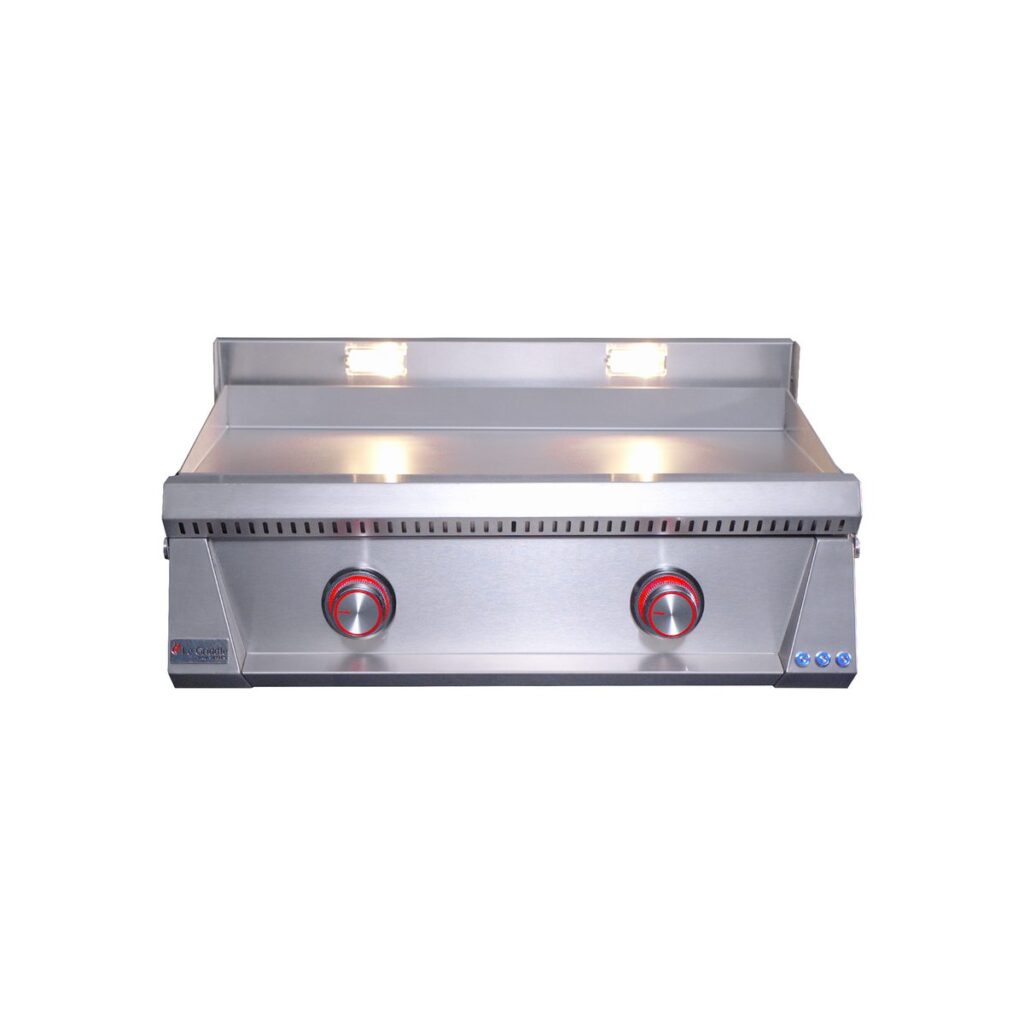
Outdoor cooking standards have shifted toward more precise tools, and the griddle method represents a significant improvement for backyard cooks. By focusing on direct metal-to-food contact, this style ensures thorough heating that traditional grate-based setups often struggle to achieve.
The evolution of the plancha style griddle
Originating from the Spanish plancha tradition, this cooking surface prioritizes intense heat and direct contact. Early versions were simple metal plates, but modern engineering has significantly refined the experience for residential use.
Why the French design stands out
French culinary influence brought a higher standard of craftsmanship to this tool. By focusing on material quality, these units bridge the gap between commercial efficiency and cooking at home.
Versatility from breakfast to dinner
Unlike traditional deep barrels that are good for slow smoke, a flat surface handles anything from morning eggs to evening stir-fries. This makes it an essential component for those building a complete Portfolio of outdoor culinary options, as it covers the spectrum of heat-intensive recipes.
Key features of Le Griddle construction
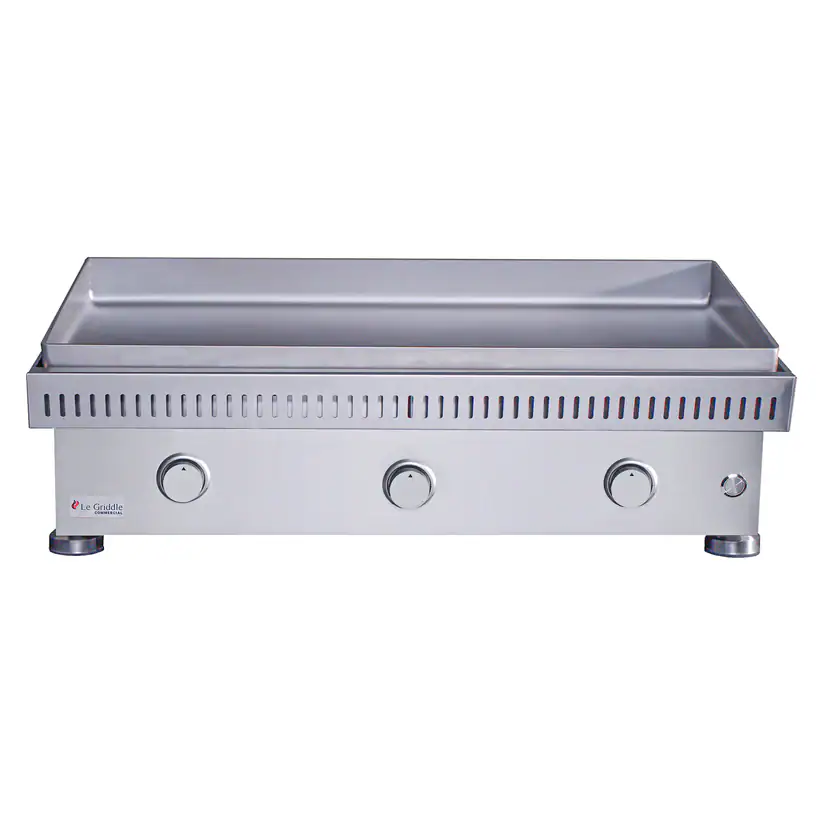
Precision engineering is visible in every component, ensuring that the cooking surface behaves predictably regardless of external weather conditions. By combining materials with different thermal properties, manufacturers have created a surface that resists warping or hot spots.
Benefits of premium stainless steel
High-grade 304 stainless steel serves as the primary cooking surface because it is non-porous and resistant to corrosion. This material is easy to manage, ensuring flavor purity, and sits atop a more conductive metal layer to maximize performance.
The role of the cast iron sub-plate
Beneath that durable stainless layer lies a thick cast iron base that acts as a thermal battery. This component effectively prevents the surface from cooling down when you add cold ingredients like frozen patties or room-temperature seafood.
Achieving consistent heat distribution
The marriage of stainless steel and cast iron creates an ideal balance for modern outdoor kitchens. The temperature consistency is demonstrated in the following breakdown of heat management across the plate:
| Feature | Performance Level | Ideal Use Case |
|---|---|---|
| Stainless Surface | Excellent | Searing & Browning |
| Cast Iron Core | Professional | Sustained Heating |
| Total Structure | Reliable | Multi-group Feeding |
This tiered construction ensures you maintain even surface temperatures throughout your cooking session, preventing the dreaded cold zones often found on lower-quality equipment.
Mastering techniques on your Le Griddle
Properly managing this equipment is less about babysitting the flame and more about understanding the nuances of the metal surface. Once the plate is seasoned or properly heated, the barrier between the steel and the food becomes an asset for flavor development.
Perfecting the sear on steaks and proteins
When searing, the goal is reaching the ideal Maillard reaction without burning the juices. Using a high-heat section of your Shop equipment ensures that steaks develop a deep crust while staying perfectly tender on the inside.
Sautéing delicate vegetables and seafood
Vegetables and fragile seafood benefit from the flat surface because you can maneuver them without worrying about them falling into a fire box. This gentle, consistent contact allows for perfect caramelization of onions and crisp edges on tender produce.
Managing temperature zones for varied cooking speeds
You can easily segregate your cooking process by focusing heat toward the center while using the outer edges to keep finished items warm. This workflow ensures that every part of a meal reaches the table at the ideal moment, which is a key advantage of utilizing Le Griddle technology in your backyard design.
Installation types for the outdoor kitchen
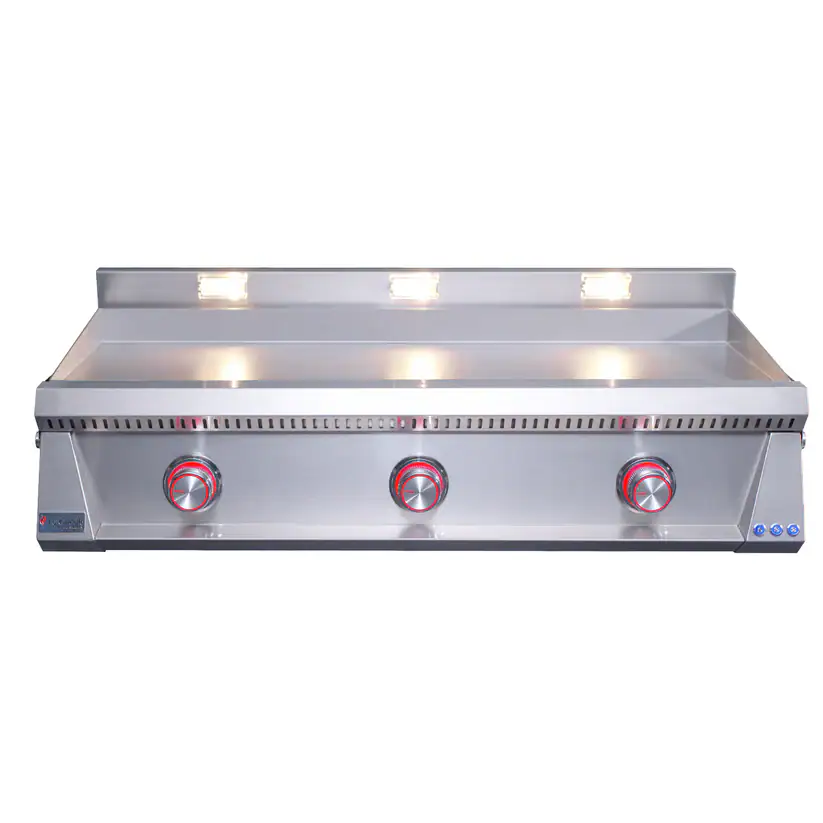
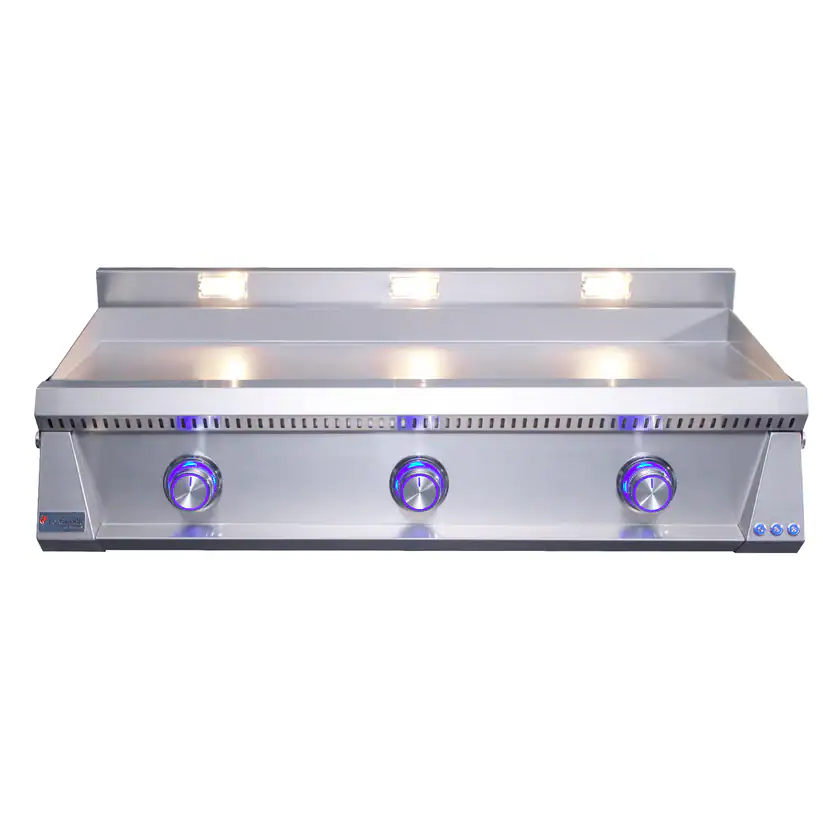
Choosing the right setup depends largely on your available space and how you plan to entertain guests in your Las Vegas home. Whether you opt for a sleek built-in display or a flexible portable unit, the integration should feel intentional and cohesive.
Selecting a built-in configuration
Building your unit directly into a stone island creates a permanent, high-end look. We often integrate these units alongside custom masonry or storage, providing a streamlined workflow for the chef.
Choosing a portable tabletop model
A smaller, tabletop version provides exceptional freedom for those with limited space or who want to take their cooking on the road. It offers the same powerful heat distribution as larger models, just in a more compact, movable format that proves helpful in a variety of FAQ scenarios.
Integrating with existing outdoor cabinetry
You can easily incorporate these units into your layout by following these steps for a functional space:
- Measure your island cutout precisely for a snug, secure fit.
- Ensure proper ventilation at the base to maintain safe operation.
- Position the unit near your prep space for an efficient workflow.
- Your installer handles the fuel connection as part of the build.
Ongoing maintenance and cleaning
Longevity in an outdoor appliance comes from respecting the maintenance schedule, which helps prevent long-term build-up on the metal surface. Because the steel is high quality, it responds exceptionally well to simple cleaning techniques.
Best practices for daily clean-up
Following each use, a quick scrape with a heavy-duty tool while the surface is still warm will pull away most excess oil. This should be a habit each time you finish cooking to prevent residue accumulation.
Deep cleaning the cooking surface
For more stubborn messes, using ice on a warm plate creates thermal shock that lifts debris immediately. This maintenance trick gives you a near-pristine surface without heavy chemicals.
Protecting your investment from the elements
In the desert climate of Nevada, sun exposure can be just as demanding as rain. Using a custom-fit cover is essential to shielding the stainless steel and ignition systems from extreme heat and dust when the unit is not in use.
Why choose Le Griddle over a traditional grill
While grate-based grilling is a classic neighborhood tradition, moving to a solid surface offers significant advantages for those who value control. The ability to cook varied menus without losing small items or suffering from flare-ups is a major step forward for any home kitchen.
Flavor retention and oil management
A flat surface allows you to cook ingredients in their own juices rather than letting them drip away into the flames. This keeps fats from turning into smoke and ensures that the flavors remain concentrated in your dish.
Reduced risk of flare-ups
Since the solid plate acts as a physical barrier between your food and the gas burners, you eliminate the threat of sudden flame spikes. This makes for a much more relaxed environment where you have complete authority over every dish on the surface.
Efficiency in feeding large groups
Feeding a crowd of friends is much simpler when you have a big, flat cooking surface to work with. You can juggle burgers, eggs, and veggies all at once, which makes Contact Us with a professional and starting your custom build a great investment.
Conclusion
Incorporating a dedicated griddle surface into your outdoor living area allows for a level of precision and menu variety that standard grills cannot offer. By investing in quality construction and following a routine cleaning schedule, you ensure that your backyard cooking remains a professional-grade experience for many years to come.
Frequently Asked Questions
What is the primary benefit of a flat cooking surface?
A flat surface provides full heat contact, which results in better uniform browning and allows you to cook small items that would otherwise fall through traditional grilling grates.
Can I leave my griddle outdoors year-round?
Yes, but it is highly recommended to use a protective cover to shield the equipment from debris and extreme weather, which helps prolong the lifespan of the stainless steel components.
How does the dual-material construction affect performance?
The stainless steel provides a clean, reactive cooking surface, while the underlying cast iron layer acts as a heat sink to prevent temperature drops and ensure consistent cooking across the whole area.
Is it difficult to manage flare-ups on a griddle?
Flare-ups are virtually non-existent because the solid cooking plate prevents oils and fats from dripping directly onto the open burners below the cooking surface.
What tools are required for daily cleaning?
A high-quality metal spatula and a stainless steel scraper are usually all that is needed to remove food debris immediately after you finish cooking, especially while the plate is still warm.
How should I handle the seasoning process?
Because the surface is constructed from high-quality stainless steel, it does not require the same type of heavy oil seasoning as raw cast iron, though a light coating of oil before cooking is helpful for sticking prevention.
Is this appliance suitable for stir-fry and breakfast foods?
Yes, the flat surface is ideal for items like eggs, pancakes, and stir-fry because it keeps the food contained and allows for easy flipping and movement across the heat zones.
[…] two, there’s nothing this kitchen can’t cook. We wrote a full breakdown of what makes Le Griddle cooking different if you’re curious about the flat-top […]