
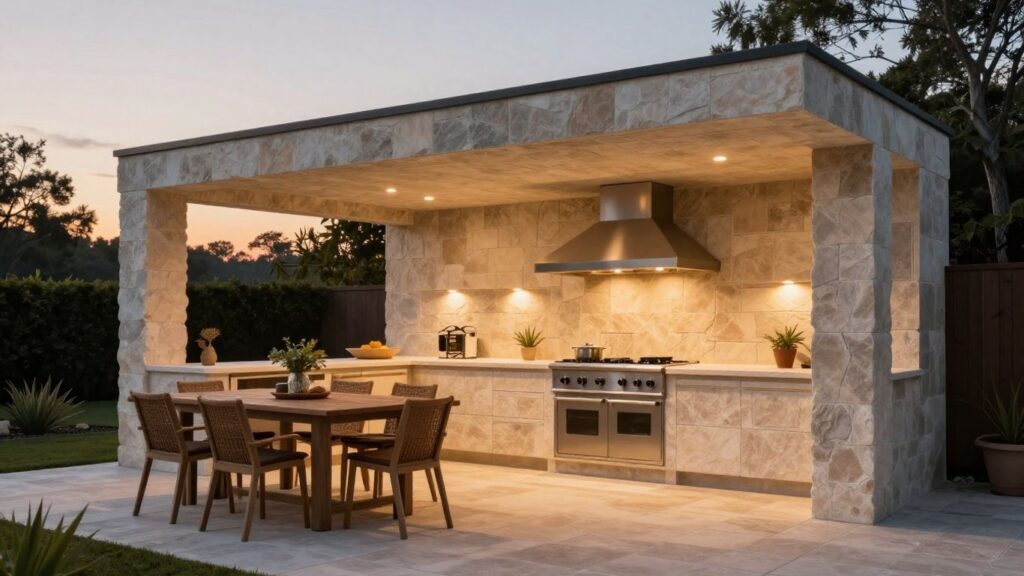
Key Takeaways
Creating a versatile backyard space requires careful planning, from understanding local weather demands to selecting the right materials for longevity. Use these core principles to ensure your outdoor kitchen remains a functional retreat throughout every season.
- Incorporate structural overhead protection for all-weather cooking accessibility.
- Prioritize marine-grade materials to withstand varying climate conditions over time.
- Align your appliance choices with the specific demands of an exterior environment.
- Install lighting and heating solutions that extend your usable hours into the night.
- Maintain your investment through consistent seasonal care and structured drainage planning.
Assessing your site for year-round functionality
Transforming an outdoor area into a functional living space requires a deep understanding of your property and the surrounding landscape. By evaluating how your space interacts with existing structures, you can create a layout that feels like a natural extension of the house. Professionals at Sun West Outdoor Kitchens understand that a truly successful project balances aesthetic design with the physical realities of the local Nevada environment.
Analyzing local climate patterns and seasonal shifts
Before finalizing any design, it is essential to observe the path of the sun and the direction of prevailing winds throughout the changing months. Understanding these shifts allows for precise positioning of your cooking and dining areas, effectively buffering against harsh afternoon glare or wind tunnels that can discourage year-round use. By carefully observing your garden or patio during different times of day, you can identify the perfect zone to anchor your infrastructure. Consider your site-specific layout carefully:
- Exposure to direct morning versus afternoon sun
- Typical wind velocity patterns across the backyard
- Drainage paths during heavy rainfall events
- Proximity to existing indoor pathways and exits
Once you have mapped these factors, you can move forward with confidence, knowing that your layout will naturally resist the elements rather than working against them.
Maximizing the flow between indoor and outdoor living areas
Identifying structural requirements for substantial overhead protection
Budgeting for long-term backyard infrastructure improvements
Choosing the ideal covering for patio covered outdoor kitchens
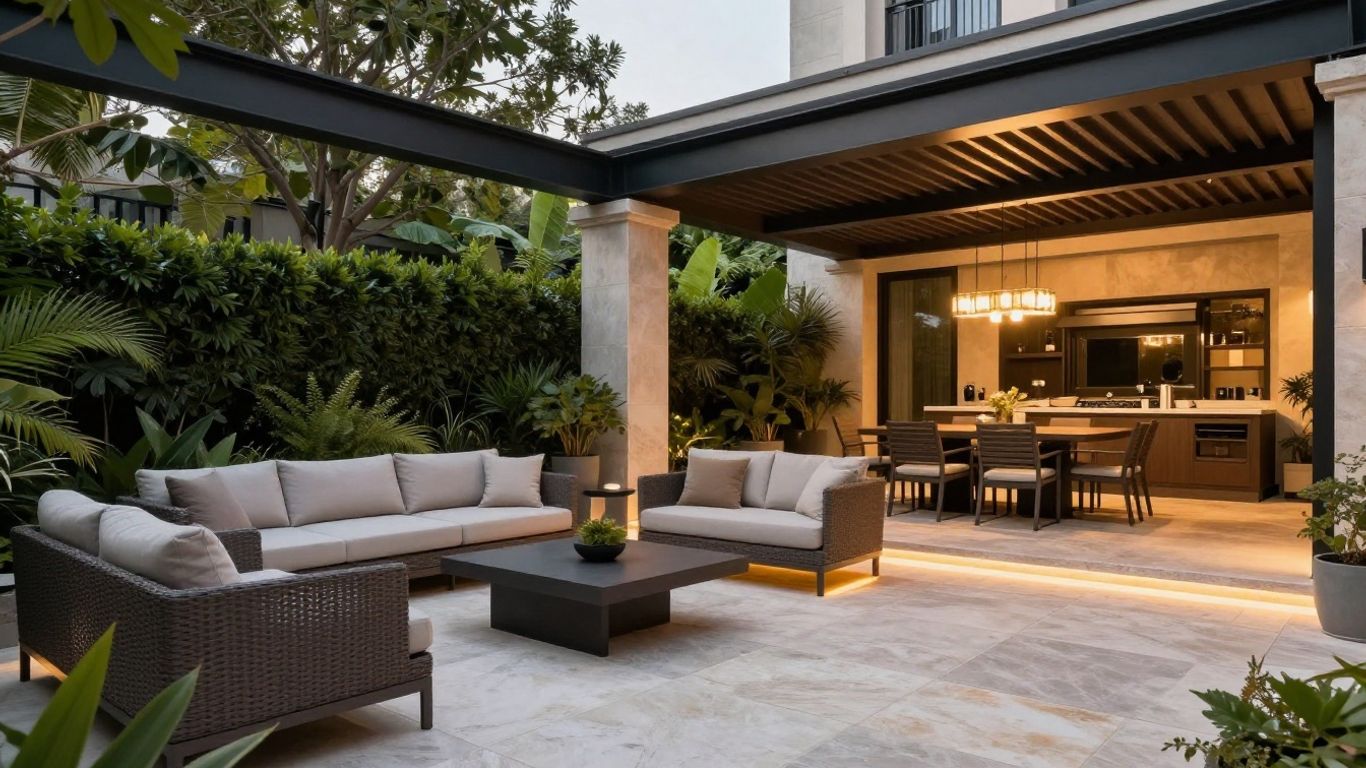
Selecting the right shelter is the most significant decision in the evolution of your backyard. A well-constructed overhead system provides the necessary buffer from extreme weather, allowing you to enjoy your kitchen even when conditions are less than ideal. At Sun West Outdoor Kitchens, we emphasize that a permanent structure serves as the heart of the entire retreat. It acts as an architectural anchor that defines the cooking zone and provides a sense of enclosure that feels permanent and secure.
Evaluating fixed roof systems for protection against extreme weather
Leveraging pergolas with adjustable louvers for light control
Exploring retractable awning options for seasonal flexibility
Incorporating architectural considerations for structural stability
Selecting appliances designed for exterior environments
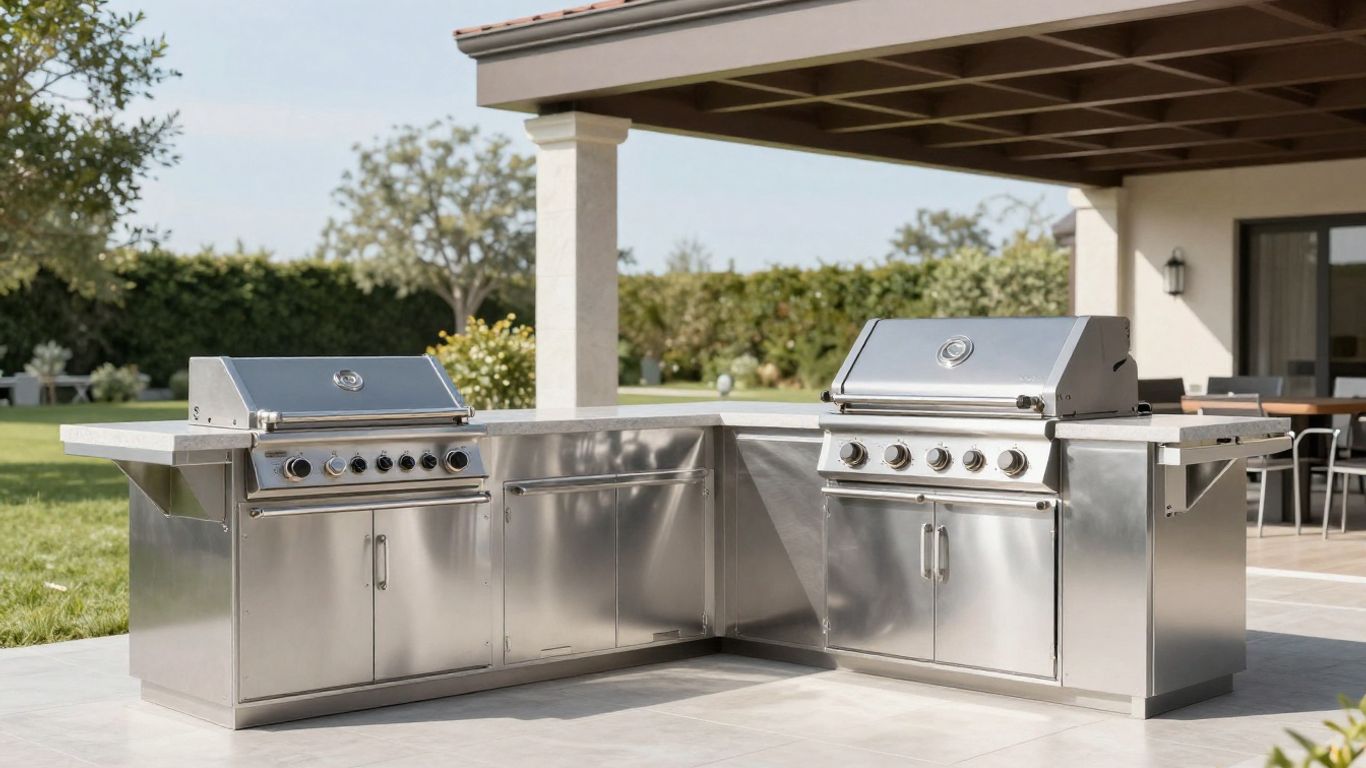
Selecting the right hardware is essential because outdoor environments present unique challenges that standard indoor range equipment simply cannot meet. To ensure performance and safety, look for items that are rated for exposure to dampness and fluctuations in heat, ensuring your investment remains operational through years of use. For those looking for inspiration or specific design layouts, visiting a Portfolio is a great way to see how experts balance high-end components with rugged exterior finishes.
Choosing marine-grade stainless steel for longevity
Ensuring adequate ventilation for safe cooking under covers
Integrating built-in refrigeration and temperature-controlled storage
To help structure your appliance layout, the following table outlines recommended storage zones for a well-functioning exterior kitchen.
| Appliance Component | Primary Function | Maintenance Level |
|---|---|---|
| Marine Grade Grill | Heat Source | High |
| Exterior Refrigerator | Cold Storage | Moderate |
| Custom Stone Cabinetry | Dry Storage | Low |
Selecting these features thoughtfully is a crucial step for any serious project involving custom outdoor kitchens or BBQ islands.
Managing utility connections for gas, water, and electricity
Designing a comfortable environment for all seasons
Comfort is not just about the structure, but the atmosphere you create once the sun goes down or the temperature drops. Integrating the right systems allows you to transition your space from a daytime grill area to an elegant evening retreat. If you have questions about how these features integrate into specific designs, you can always check our FAQ page for common project insights.
Incorporating supplemental heat sources like infrared heaters
Installing strategic ambient and task lighting for evening meals
Mitigating wind exposure with privacy screens or glass walls
Strategic use of vertical elements creates a natural barrier that allows you to focus on the cooking experience while keeping guests protected from gusts. These installations turn an open patio into a sophisticated, private retreat that feels just as enclosed and cozy as any interior dining room.
By layering these protective elements, you ensure that your investment is enjoyed during all seasons, rain or shine.
Selecting high-performance, weather-resistant outdoor furnishings
Managing maintenance and material longevity
Long-term enjoyment depends on how well you look after your structure as the seasons change and weather shifts. Consistent care prevents wear, while choosing durable materials minimizes the time you spend on chores versus actually enjoying the space. We are proud to provide Our Services to help residents maintain their outdoor spaces effectively.
Implementing drainage systems to prevent patio water pooling
Selecting non-porous surface materials for easier cleaning
Protecting sensitive mechanical equipment during off-seasons
Developing a seasonal care schedule for your structural covers
Conclusion
Building a space where you can cook and host year-round is a rewarding endeavor that bridges the gap between the comforts of your home and the beauty of your garden. By thoughtfully assessing your location, choosing the right structural covers, and prioritizing weather-resistant appliances, you create a destination that stands the test of time. Reach out today for a Contact Us consultation to begin planning your backyard transformation.
Frequently Asked Questions
How do I protect an outdoor kitchen during winter?
Covering susceptible surfaces and clearing out water lines are essential tasks to prevent freezing damage during the cold months.
Are stainless steel appliances really better for outdoor use?
Yes, marine-grade stainless steel is specially formulated to resist rust and corruption caused by moisture and salt air common in exterior settings.
What is the most important element for a covered kitchen?
Proper ventilation is the most critical element to ensure safety, as it prevents smoke and carbon monoxide buildup underneath your roof cover.
Can I add heating to an outdoor kitchen?
Infrared heaters are a standard and effective way to extend the usability of your outdoor space into cooler seasons by providing targeted, clean warmth.
How often should I perform maintenance on my outdoor kitchen?
A basic cleaning should happen after most uses, with a more comprehensive, deep inspection performed at the turn of every season to ensure all systems remain clear of debris.
What surfaces are best for outdoor countertops?
Non-porous materials like granite, concrete, or high-end tiles are excellent because they resist staining, bacterial growth, and damage from the sun.
Is it necessary to build a permanent structure for my grill?
While not strictly necessary, a fixed roof or pavilion provides significant benefits by sheltering both the cook and the equipment, making it far more likely you will use the space year-round.
Leave a Reply