
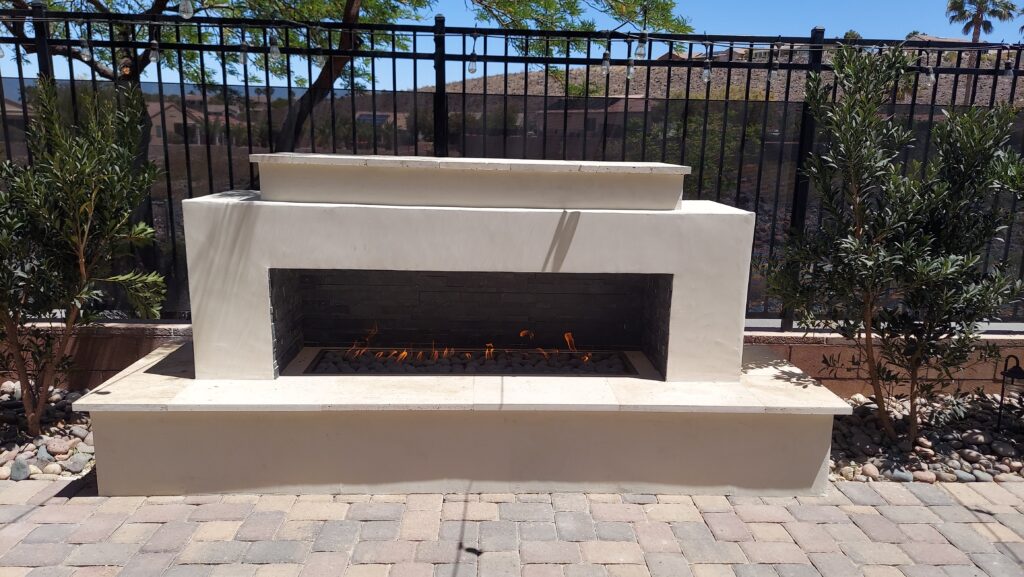
Understanding vent-free fireplace technology
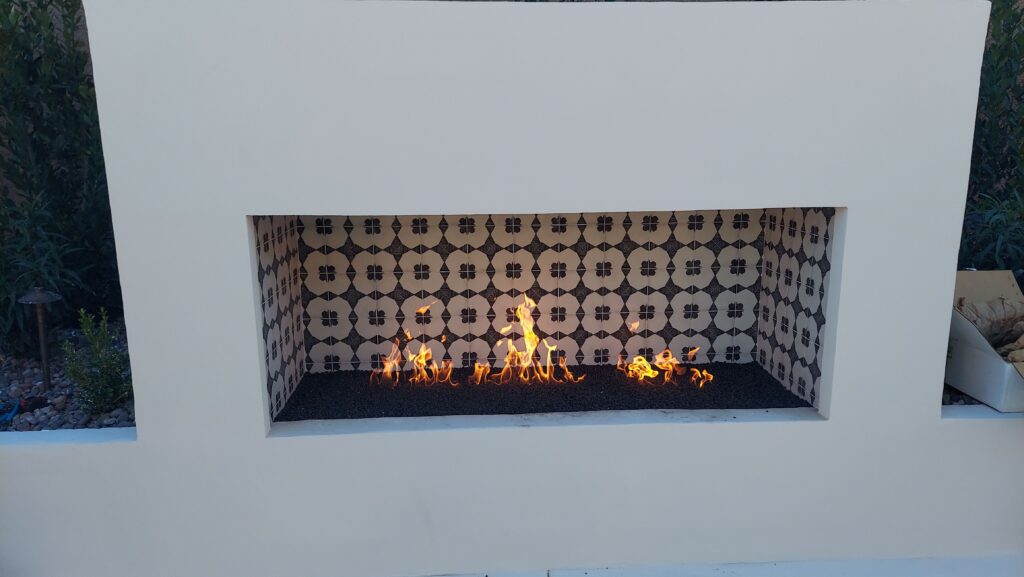
Vent-free units are designed to burn fuel with high efficiency, which allows them to operate without a venting system. Because they do not have a chimney to draw air, they rely on clean-burning gas technology to minimize soot and carbon output, making them a popular choice for homeowners who want to bring comfort to their backyard living spaces. Experts at Sun West Outdoor Kitchens often highlight that these systems are engineered to maximize heat output directed back into the room or patio space rather than losing it out a roof vent.
The combustion process explained
The combustion process in a vent-free system uses a specialized burner that mixes air and fuel in precise ratios. This ensures that the gas burns cleanly, resulting in the desired yellow flames without the waste of excess carbon particles.
Fuel source options: natural gas vs. propane
Homeowners can typically choose between natural gas or liquid propane for their fuel supply. Choosing the right source depends on your existing home infrastructure, as units can be matched to your available fuel source or tank placement.
Reliance on oxygen depletion sensors
Every modern vent-free device includes a critical safety feature known as an oxygen depletion sensor. This component constantly monitors the surrounding air, and if oxygen levels drop below a safe threshold, the sensor triggers an automatic shutdown to prevent hazards.
How vent-free fireplaces function in outdoor spaces
These fireplaces operate effectively outdoors by converting nearly all consumed fuel into usable heat. Unlike indoor environments, outdoor spaces provide natural ventilation, which helps manage water vapor produced during the minor combustion process. For those seeking custom outdoor fireplaces in the Nevada desert, these systems allow for rapid space heating on demand without complex ductwork.
Direct heat distribution principles
Heat is distributed primarily through radiation, warming people and furniture directly in front of the firebox. This direct approach ensures that even during chilly nights, the area surrounding the fireplace remains the focal point of the gathering.
Airflow requirements for semi-enclosed patios
When installing these units in covered spaces like porches or media walls, adequate cross-ventilation must always be maintained to prevent air saturation. Consider these primary airflow factors for safe installation:
- Ensure all overhead structures maintain recommended vertical clearance.
- Position the unit away from heavy drapery or decorative fabrics.
- Incorporate open sides to encourage constant fresh air movement.
- Verify that the patio footprint allows for proper heat dispersal.
Performance consistency in varying climates
Vent-free units perform well across different temperatures because they do not rely on a draft to sustain the flame. This consistency is highly beneficial when you want to extend your outdoor season throughout the year, even as nighttime temperatures drop.
Benefits of choosing vent-free for your outdoor fireplaces
Choosing a vent-free fireplace removes the architectural headache of installing brick chimneys or rooftop vents. This simplicity allows homeowners to integrate a hearth into existing designs, transforming a simple patio into a luxury retreat. We see the same trend locally — many clients prefer the sleek, modern aesthetic that contemporary vent-free fireboxes provide.
Increased placement flexibility
Because you are not tethered to a venting route, you can place these fireplaces on walls that would otherwise be impossible to modify. This gives you total creative control when designing your ideal Portfolio of backyard features.
High heat efficiency and output
These units are highly efficient because they do not vent heat to the outside atmosphere, keeping 99% of generated warmth right where it stays. You get more comfort from every unit of gas burned, which keeps operational costs low.
Aesthetic variety and design integration
Modern designs seamlessly blend with stone, tile, and wood finishes to create a cohesive look. Whether you prefer a traditional log set or a contemporary glass bed, there are endless options to suit your personal style.
Safety considerations for vent-free units
Safety remains the top priority, and manufacturers provide strict clearance guidelines to protect surrounding materials. Always consult FAQ documentation to ensure that your specific model is used according to the manufacturer’s intent. When working with Sun West Outdoor Kitchens, our team emphasizes following these safety standards to avoid any risk of overheating nearby materials.
Proper ventilation and ambient air requirements
Even outdoors, vent-free units must be used in environments where air can circulate freely. While vent-free systems are designed to operate safely, proper placement ensures that moisture does not accumulate on nearby surfaces.
Establishing clearances from combustible materials
Maintaining a safe buffer around the unit prevents heat damage to siding, furniture, or structures. You can check the manual for specific distance measurements required for materials like wood, fabric, or vinyl.
Why professional installation matters
Installing an outdoor fireplace takes real expertise to ensure safe, consistent performance. A licensed professional must verify that all joints are secure and that the gas pressure aligns with the unit’s specific requirements.
Comparing vent-free and vented outdoor fireplaces
Deciding between these options often comes down to the trade-off between installation cost and the desire for a traditional chimney aesthetic. The table below outlines how these two systems commonly compare for residential outdoor applications.
| Feature | Vent-Free Fireplace | Vented Fireplace |
|---|---|---|
| Installation Cost | Lower | Higher |
| Heat Efficiency | Nearly 99% | Lower due to heat loss |
| Architectural Needs | Minimal | Chimney or flue required |
Differences in installation complexity and costs
Vented systems are notoriously higher in cost due to the structural work needed to build a safe chimney stack. Conversely, vent-free systems are generally straightforward to install into an existing wall or structure, saving homeowners time and resources.
Heat distribution effectiveness compared to chimneys
Vent-free units win on raw heating power because they do not send your warm air up a chimney. For Majestic Products, the focus remains on keeping that warmth concentrated in the patio area for maximum comfort.
Community guidelines and manufacturer requirements
Always follow the manufacturer’s placement requirements, and check your HOA’s guidelines if you live in a master-planned community with rules regarding the use of vent-free gas appliances in outdoor or semi-enclosed areas. Ensuring your installation is compliant is a foundational step in your project.
Installation requirements for outdoor living areas
Selecting a spot on your patio requires balancing accessibility with functional venting. Start by choosing a level surface and ensuring the site is shielded from extreme, direct-wind gusts, which might otherwise disrupt the flame pattern.
Selecting the ideal location on a patio
Consider the traffic flow of your backyard when choosing a location, as the front of the fireplace should remain open for both viewing and heat enjoyment. Ensure the location allows for easy access to the controls while keeping family pet or children in mind.
Planning for reliable everyday operation
Proper planning ensures your fireplace has the reliable supply it needs for regular operation. Your installer will need to confirm that your main system can handle the added demand without affecting other gas appliances.
Testing ignition and safety control systems
Once the lines are connected, every ignition sequence must be tested to ensure the pilot light and sensors operate perfectly. Never skip this stage, as it confirms that the Superior components are working safely before you begin standard use.
Maintenance and upkeep for outdoor longevity
Keeping your fireplace in top shape involves periodic inspections that ensure your investment delivers results for years. Protecting your equipment from harsh Nevada weather is straightforward if you follow a consistent schedule.
Cleaning logs and burner components
Dust and debris can settle on burner ports, potentially causing uneven flames or ignition issues. Use a soft brush to clear any obstructions, ensuring the gas flow remains consistent and clear.
Protecting equipment from weather elements
Use a high-quality, breathable fireplace cover during the off-season. This simple action prevents dust and moisture from damaging sensitive electronic components and keeps the internal firebox pristine for your next use.
Scheduling annual professional inspections
An annual check-up with Contact Us experts covers everything from checking gas pressure to verifying that safety sensors respond correctly to oxygen level changes. This routine peace of mind helps you enjoy your fireplace with complete confidence.
Conclusion
Vent-free fireplaces represent an efficient and flexible way to add year-round warmth to your backyard living space. By balancing careful installation with routine maintenance, these systems create a cozy, inviting atmosphere that encourages more time outdoors, regardless of the season.
Frequently Asked Questions
Can you install a vent-free fireplace in a bedroom?
While some models are rated for indoor use, you should always verify the manufacturer’s documentation to ensure compliance for bedroom installations.
How efficient are vent-free fireplaces?
They are highly efficient, often rated at approximately 99 percent, because they do not require a chimney to exhaust heat to the outside.
Are vent-free fireplaces dangerous?
When installed by a professional and equipped with modern oxygen depletion sensors, they are safe to use as directed by the manufacturer.
Do vent-free fireplaces produce odors?
Occasional odors are normal during the first few burns as protective oils burn off, but persistent odors usually indicate a need for a professional service or cleaning.
Can vent-free fireplaces be moved after installation?
Depending on the model, some freestanding units can be relocated, but those built into walls or structures are generally considered permanent installations.
Do vent-free units require electricity?
Most modern units use a battery-powered spark igniter or a millivolt system, so they typically do not require external electricity to operate.
What fuel types are available for these fireplaces?
Most units are compatible with either natural gas or propane, though you must confirm your chosen model matches the fuel source you intend to provide.
[…] your home, offering a set-and-forget performance that never runs dry, which is a popular choice for permanent installations that we oversee during larger […]
[…] for any safe gas appliance setup. Adhering to these clearances, much like the guidelines for vent-free fireplaces, ensures your peace of mind while enjoying your outdoor […]